
Curiosity got the better of me after the new Renfrew bridge opened, and I decided to see what lay on the other side of the river. My wanderings took me into Clydebank Library — but what I found beneath it was an unexpected treasure.
Hidden under the library is the newly opened Clydebank Museum, a thoughtful and powerful tribute to a town forged in industry, resilience, and remembrance. The museum shares its space with the West Dunbartonshire Heritage Centre and Archives, making it a hub of local history that feels both intimate and expansive.
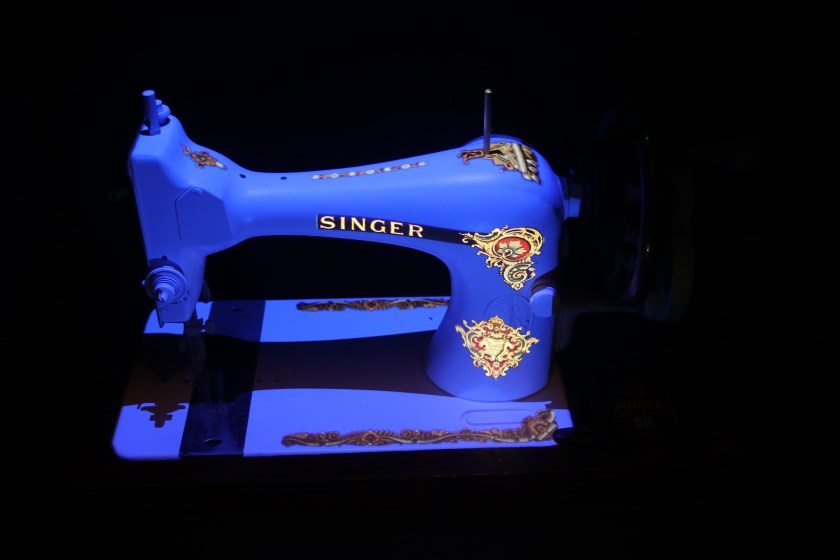
From the moment you enter, you’re taken on a journey through Clydebank’s industrial roots — from the mighty shipyards that once built giants of the sea, to the world-famous Singer Sewing Machine Factory, whose elegant machines changed lives across the globe. The museum offers interactive displays and touchscreens that bring these stories to life. One of the standout features allows visitors to design their own Singer sewing machine and watch it appear instantly as a 3D visualisation. It’s a playful, creative touch that nods to the town’s proud manufacturing past.
But Clydebank’s story isn’t just about industry — it’s also about survival.
I’d always heard about the Clydebank Blitz, but never in as much detail as Paisley’s wartime experiences. That changed during my visit. The museum’s Blitz section is sobering, detailed, and deeply moving. On a clear, moonlit night of Thursday 13 March 1941, the town was devastated by a Luftwaffe assault. Over 200 German bombers — Heinkel 111s and Junker 88s — flew overhead, unleashing terror for over nine hours. They dropped 272 tons of high explosives and 1,650 incendiary bombs, and returned the following night for another seven and a half hours of destruction.
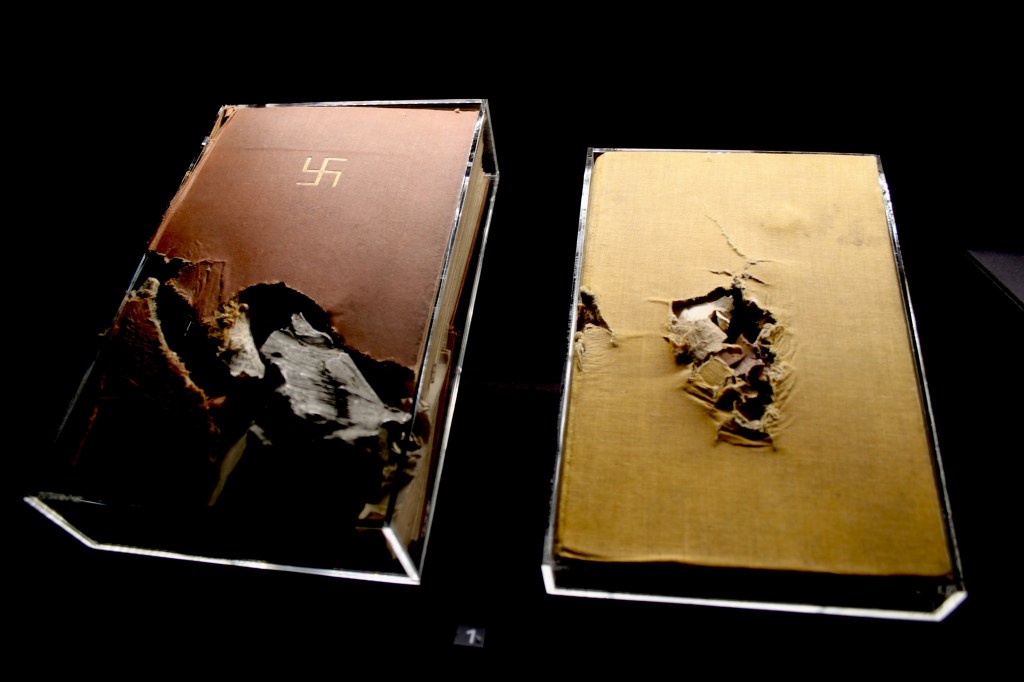

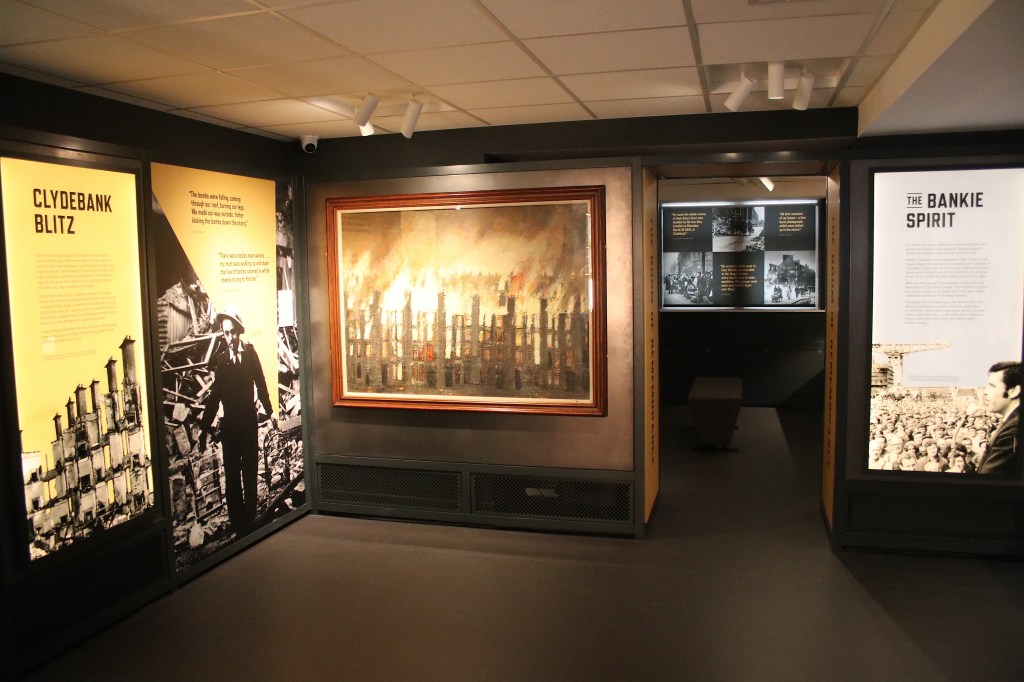
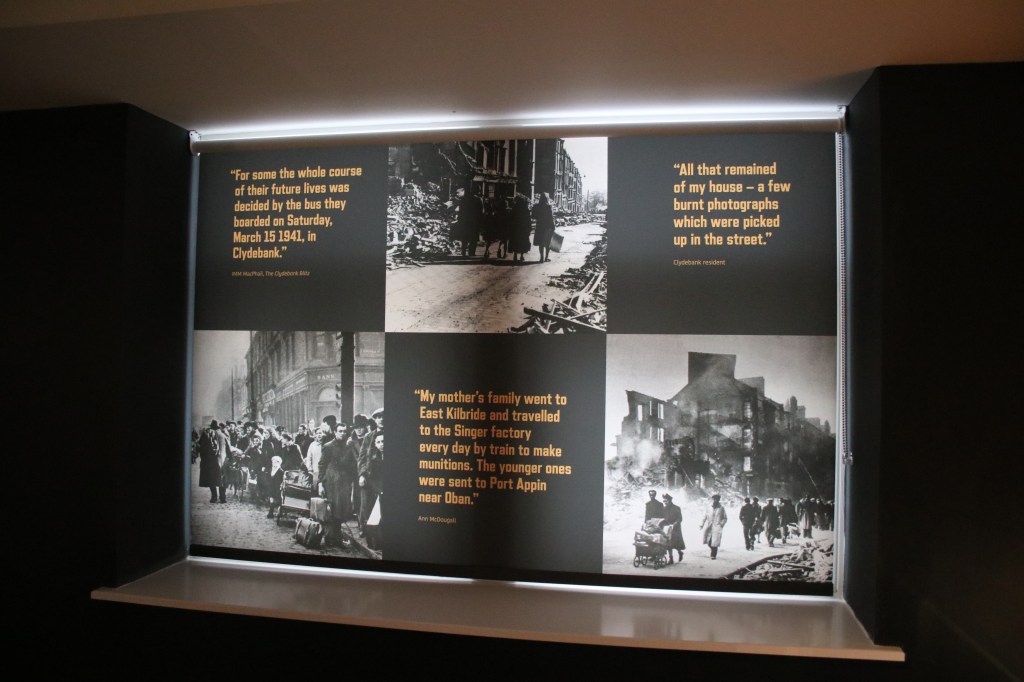

The scale of the devastation is almost impossible to grasp: of the town’s 12,000 houses, only seven remained undamaged. More than 528 people were killed, 617 seriously injured, and over 40,000 residents were forced to flee in the days that followed.
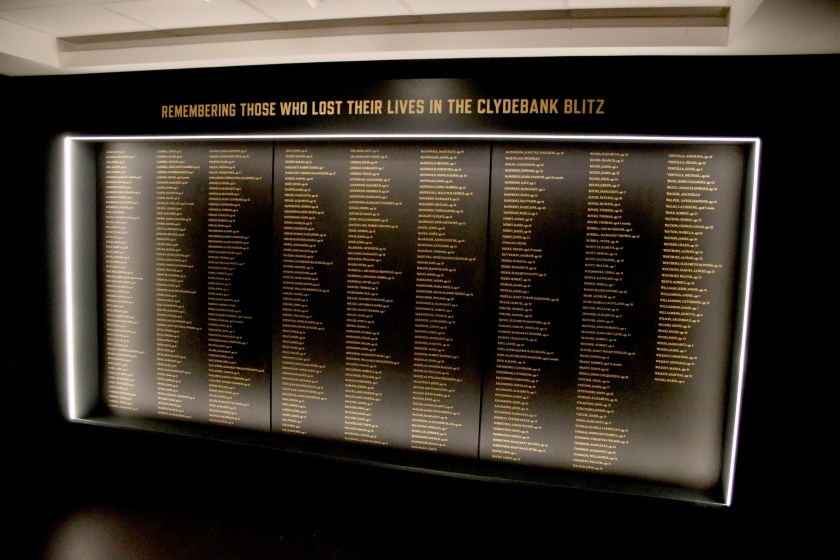
At the heart of this section lies the Room of Remembrance — a quiet, powerful space dedicated to those who lived through the Clydebank Blitz and to those who never came home. One quote, from survivor Mary McAleer, has stayed with me:
“There were bodies everywhere. My mum was looking up and down the line of bodies covered in white sheets trying to find me.”
It’s hard not to be moved. And harder still not to feel deep respect for the people of Clydebank — their strength, their sorrow, and their pride.
All the information required on disabled access, opening times etc can be found on this link . One recommendation I would give is take your ID and you can join the library and be able to access the Heritage centre archives from home.
 Paisley Photographs