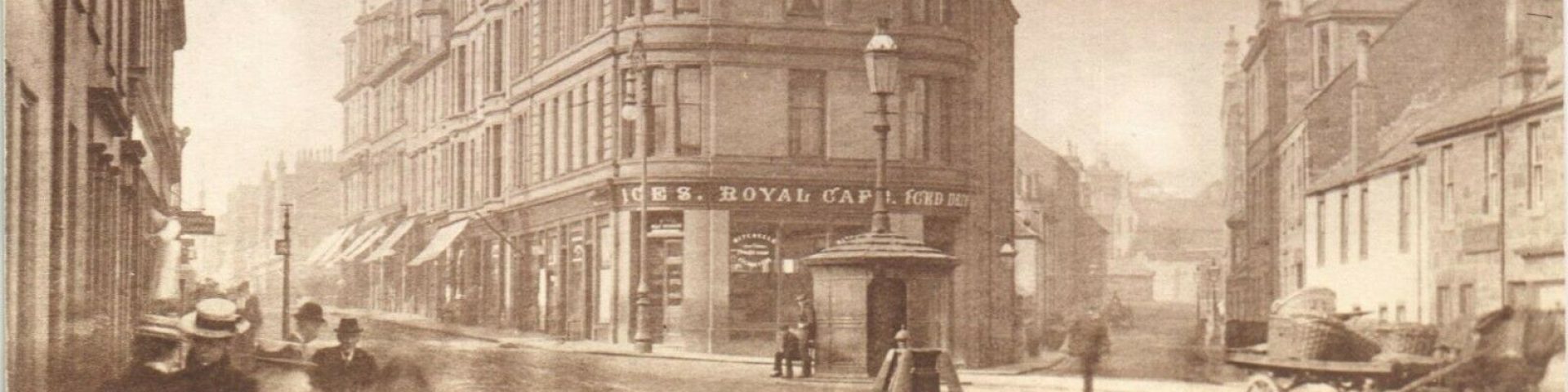
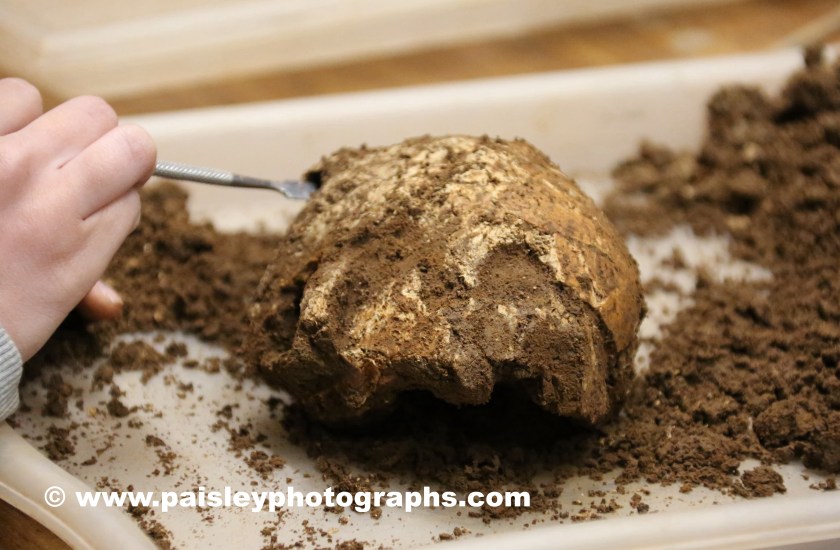
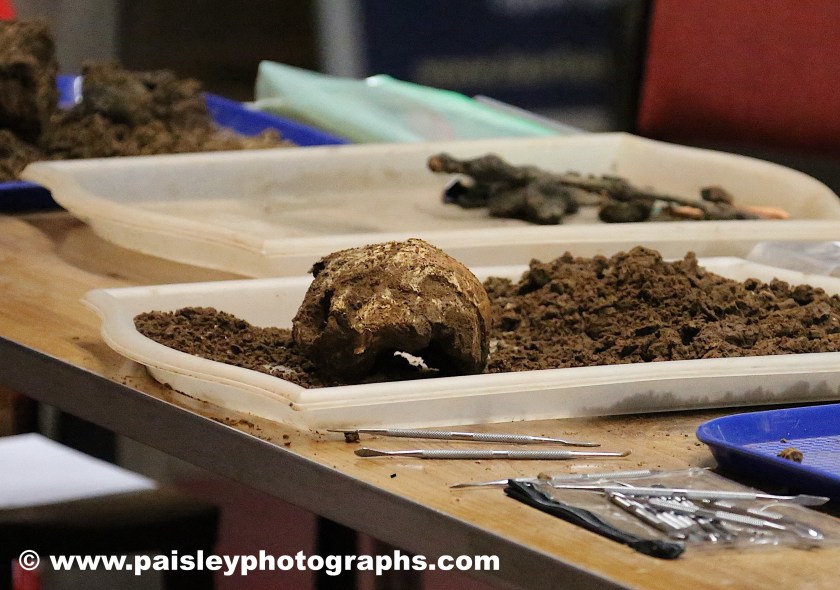
Having had the confirmation that it was a skull that was found in the lower foundations of the Orchard Street tenements on Tuesday 29th July 2025, we look into what Orchard street was once like and what could have happened.
The year was 1858, and Orchard Street, in the heart of Paisley, was alive with the rhythms of industry. The scent of oil, soot, and damp wool filled the air. On one end, the clink of glasses and low laughter spilled from the public house. But just beyond it — through a narrow alley that sloped toward The Want — the town’s pulse beat harder.
The Want led out to Marshalls Lane, where workers streamed to and from shawl factories, yarn warehouses, and the great Calendar Works, whose steam presses thumped day and night, smoothing endless bolts of cloth for sale far beyond the town. These factories were the lifeblood of the area — and yet, nestled among them, life played out in quieter, rougher corners too.
Lining Orchard Street in those days — long before the tall tenements — was a row of wooden dormers, hunched low and narrow, with soot-blackened chimneys and warped timbers that shivered in winter wind. These houses were homes to mill workers, seamstresses, widows, and families scraping by.
In one such dormer, it is said, a pauper’s funeral took place. Quiet. Unofficial. Unrecorded.
The man was old — perhaps in his seventies — though no one was truly sure. He had lived alone, surviving on bread crusts and boiled oats, taking odd jobs in the warehouses when his knees allowed. Some knew him only as Tam. He had once worked the looms, back when shawls were gold for Paisley. But when his eyes dimmed and his fingers stiffened, he slipped out of the rhythm of factory life and into the shadows of survival.
One bitter night in March, the lamp in his window failed to glow. By morning, a neighbour — a woman named Ellen, whose own life was a tightrope — slipped through his door and found him cold and still in his bed. She told no one. Perhaps out of kindness, perhaps out of fear that the authorities would toss his body to the poorhouse yard.
Instead, she gathered two others — women who knew what it meant to be forgotten — and in the soft hours before dawn, they wrapped Tam in an old shawl, nailed a simple wooden box together, and laid him beneath the dirt behind the dormer, under the rough flagstones and ashes. No marker. No prayer but the quiet murmurs of the women who remembered him.
And then time moved on.
By the early 1900’s, the dormers were gone. The Calendar Works had grown larger. One of the shawl factories had become the Paisley Daily Express, its printing presses replacing the click of looms. And Orchard Street rose anew — with tenements now stretching into the sky, built on ground that remembered more than it revealed.
For nearly 200 years, no one spoke of the man in the shawl.
But sometimes, when work crews dig deep foundations, or when an old map is studied by torchlight, someone will ask — quietly — if there were ever burials here. Not the kind with hearses or clergy, but the kind that happen out of sight, among the working poor, within the fragile walls of a wooden dormer that no longer stands, could this be whats happened, no one will ever know – but a new link to Paisleys history has been uncovered.
 Paisley Photographs