
Unveiling the Past: The Fascination with Ghost Signs
In the ever-evolving landscape of our cities, there are remnants of the past that occasionally come to light, whispering stories of bygone eras. These silent storytellers are known as ghost signs – the faded advertisements painted on buildings that once heralded the goods and services of yesteryears. Ghost signs offer a tangible connection to history, often unearthed during renovations or demolitions, serving as windows into the commercial life of a different time.

The History of Ghost Signs
Ghost signs date back to a time when hand-painted advertisements were the primary method for businesses to attract customers. Predominantly popular from the late 19th century to the mid-20th century, these signs advertised everything from soft drinks to clothing stores, tobacco products to household goods. Their creators, known as “wall dogs,” were skilled sign painters who meticulously crafted these ads, often several stories high, with vibrant colors and intricate details.
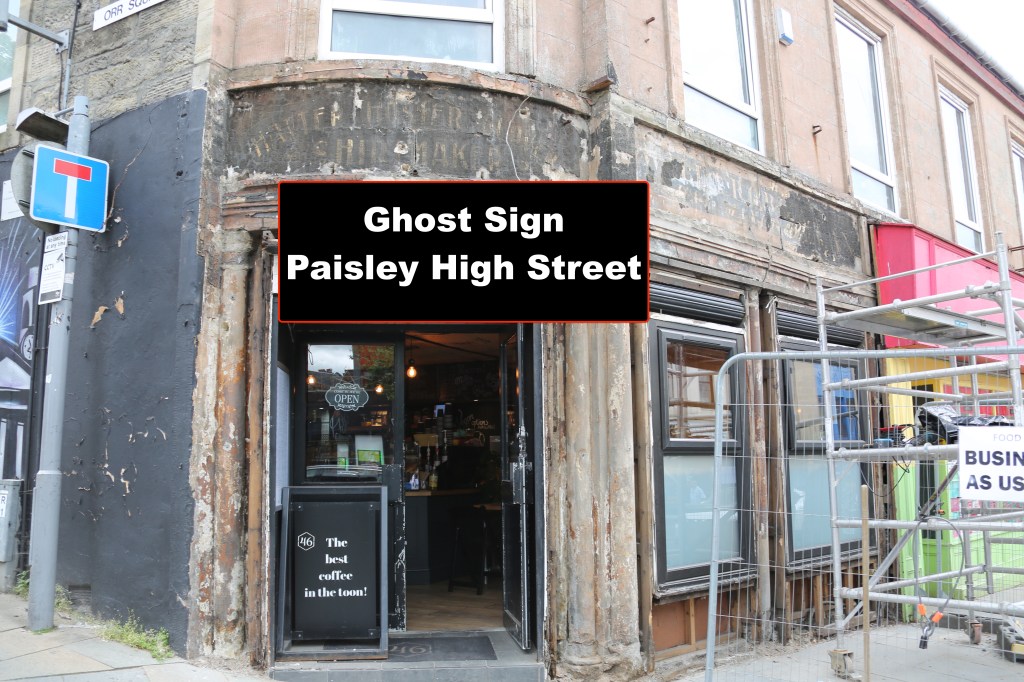
Discovery of Ghost Signs
The discovery of ghost signs can be quite serendipitous. As buildings undergo renovations or face demolition, layers of paint and plaster may be stripped away, revealing these long-forgotten advertisements. One notable example is the ghost sign for the Cola-Cola Company in New York City, discovered during the refurbishment of an old brick building. Similarly, in cities around the world, many such signs have come to light, each unveiling a fragment of local history.

Cultural and Historical Significance
Ghost signs are more than just faded advertisements; they are cultural artifacts. Each sign offers a glimpse into the economic and social fabric of its time. They tell us what products were in demand, reflect the language and aesthetics of the era, and provide insight into historical branding practices. In urban archaeology, ghost signs serve as valuable pieces of the puzzle, helping historians and enthusiasts understand the commercial evolution of a city.
Preservation Efforts
Recognising their historical significance, many communities have undertaken efforts to preserve ghost signs. In places like Portland, Oregon, and London, England, preservationists work to restore and maintain these signs, using techniques that stabilize the paint and protect the original artwork. These efforts ensure that ghost signs remain visible for future generations, allowing them to appreciate the craftsmanship and history encapsulated in these faded facades.
Conclusion
Ghost signs are more than just old advertisements; they are echoes of the past, each with a story to tell. As you walk through your town, keep an eye out for these hidden gems. You might just uncover a piece of history that has been waiting, silently, to share its tale.
 Paisley Photographs