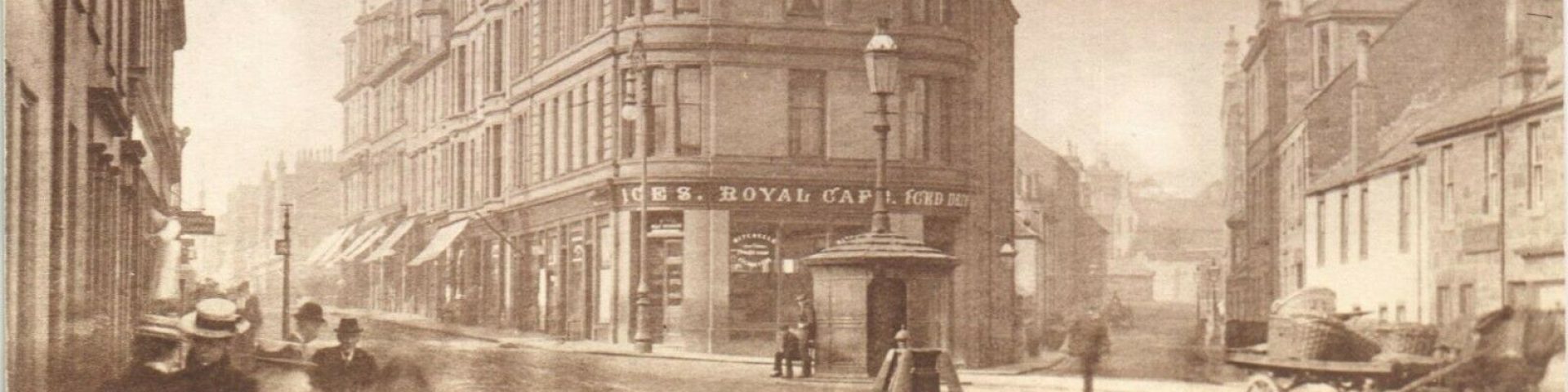
The recent demolition of the Ogilvie Club in 2022 left many in Paisley and beyond with a deep sense of disbelief. For decades, the club was more than just a building; it was a symbol of community, history, and resilience. Its origins trace back to Wellmeadow Street, but it was its relocation to Broomlands Street in 1974 that solidified its place in the hearts of many.
A Brief History of the Ogilvie Club
The Ogilvie Club’s journey began modestly on Wellmeadow Street in Paisley. However, it was in 1974, after borrowing £51,000 from brewers, that the club made its significant move to its more recognizable location beside Broomlands Street. The move represented more than just a change of address; it was a leap towards becoming a cornerstone of the local community. The committee’s decision to name the club after Blessed John Ogilvie was a profound choice, reflecting the deep roots of faith and history that run through Paisley.
Who Was John Ogilvie?
To understand the significance of the club’s name, it’s essential to know the story of John Ogilvie. Born into a Protestant family, Ogilvie’s journey to Catholicism was both remarkable and perilous. After attending Louvain University in Belgium, he made the life-altering decision to convert to Catholicism, a choice that eventually led to his martyrdom. Imprisoned and tortured in Paisley, Ogilvie’s steadfast faith saw him executed in Glasgow. His story is a poignant reminder of the struggles faced by many in their pursuit of religious freedom.
The Club’s Role in the Community
For nearly half a century, the Ogilvie Club was a gathering place for locals, offering a sense of belonging and continuity. It was a venue where memories were made—whether through community events, personal milestones, or simply the daily camaraderie among members. The club stood as a testament to the enduring spirit of Paisley, a place where history and community intertwined seamlessly.
The Unimaginable Demolition
The news of the Ogilvie Club’s demolition came as a shock to many. For those who grew up with the club as a backdrop to their lives, its absence is difficult to reconcile. The demolition marks not just the loss of a building but the end of an era—a chapter of Paisley’s history that many never imagined would close.

Reflections on What’s Been Lost
As the dust settles where the Ogilvie Club once stood, it’s important to reflect on what has been lost. The club was more than brick and mortar; it was a living archive of the town’s social and cultural history. Its demolition serves as a stark reminder of the fragile nature of our communal spaces and the importance of preserving them.
Conclusion
The demolition of the Ogilvie Club is a poignant moment in Paisley’s history, one that will be remembered by many with a sense of loss. As we move forward, it’s crucial to honor the memories and the spirit of community that the club represented. While the building may be gone, the legacy of the Ogilvie Club and the story of Blessed John Ogilvie will continue to resonate within the hearts of those who cherished it.
 Paisley Photographs